

Imagine picking fresh herbs and vegetables from your garden throughout each season. A year-round kitchen garden is not only practical but can transform your home into a steady source of homegrown produce. With thoughtful preparation, you can extend your growing season well beyond the warmer months. Here’s how to build a productive kitchen garden that thrives year-round.
Planning Your Space and Crop Rotation
Vertical gardening or containers are great solutions for small areas, while larger gardens benefit from careful planning and crop rotation. Rotate your crops to prevent soil depletion and reduce pest problems. For instance, plant legumes like beans in one area to fix nitrogen, then follow with nutrient-hungry vegetables like leafy greens or tomatoes. This way, your soil remains healthy, and your plants thrive.
Soil Health and Raised Beds
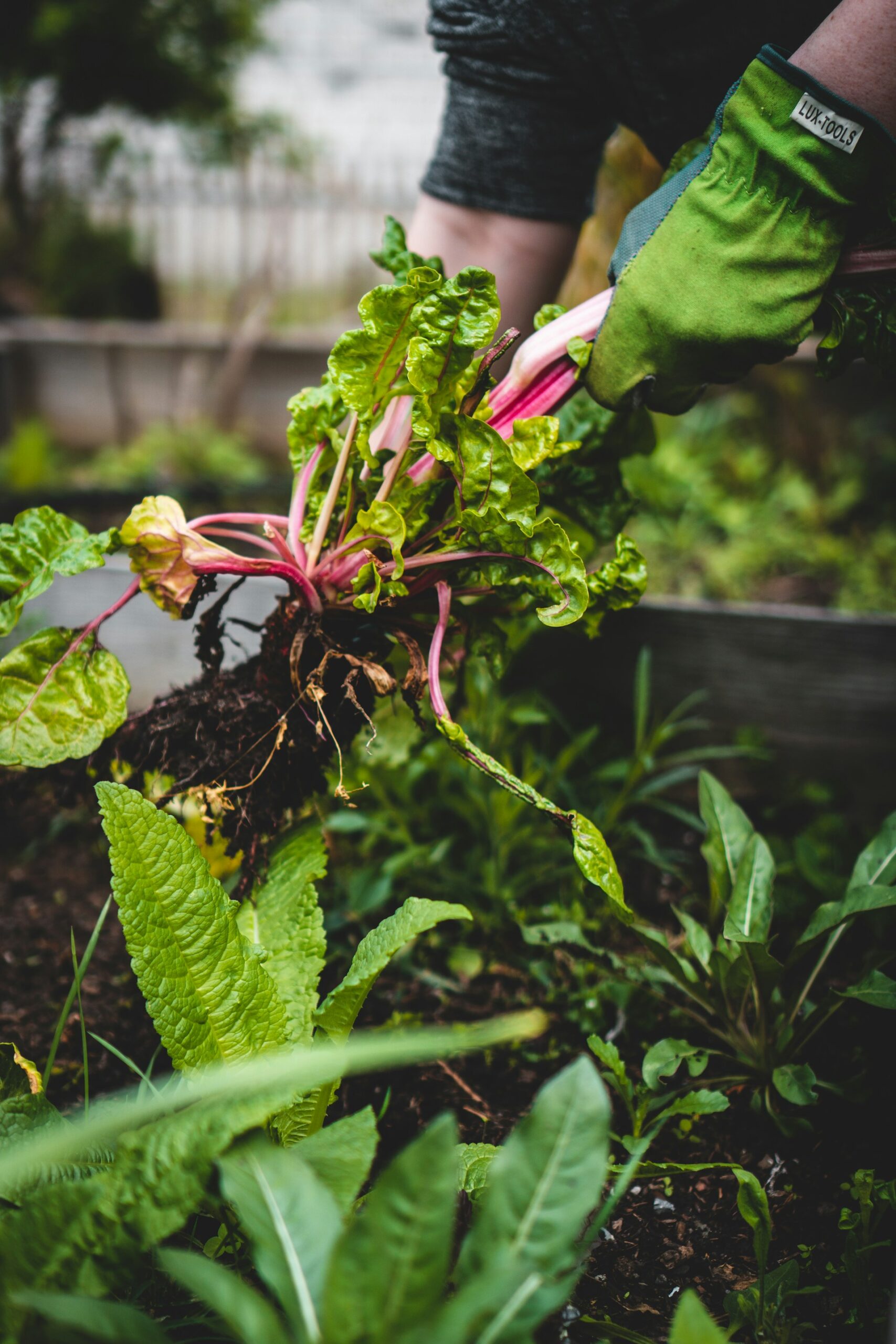
Raised beds offer excellent drainage, better warmth in spring, and easier access to your plants. To build a raised bed, choose a sunny spot and create a frame using timber or bricks. Fill it with a mix of compost, topsoil, and organic matter. Raised beds warm up faster in the spring, allowing you to plant earlier. Add mulch around plants to retain moisture and protect them from temperature swings.
Season Extension: Polytunnels, Greenhouses, and Cold Frames
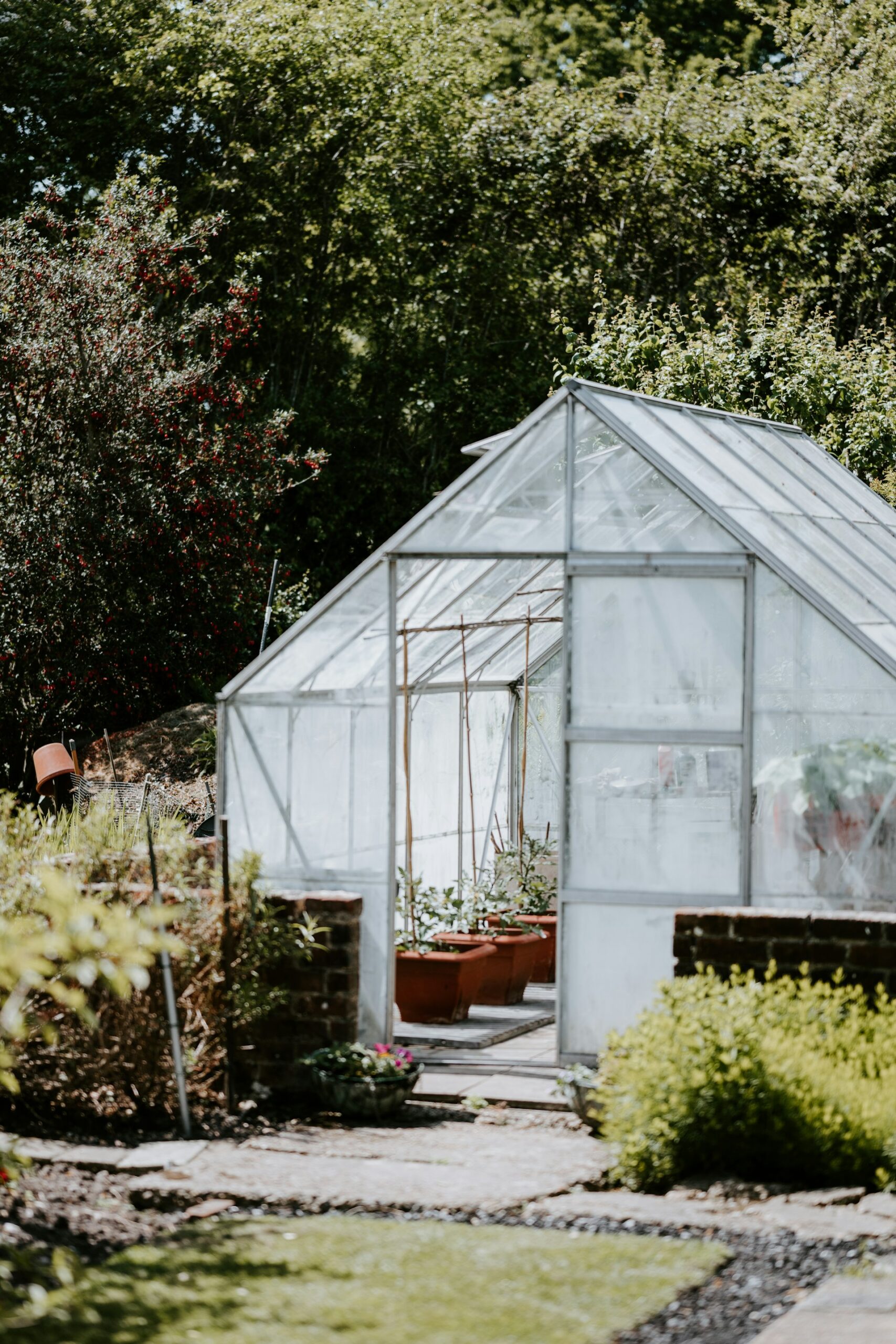
To grow food in the winter, consider using season-extension tools like polytunnel covers, greenhouses, or cold frames. These structures protect crops from frost and keep the growing environment warm. Polytunnel covers trap heat, extending your growing season and helping tender plants thrive even in winter. They are also a cheaper and portable alternative to greenhouses. Cold frames are simpler, smaller structures that work well for hardy crops like kale and spinach.
What to Grow Each Season
Different plants grow in different climates, so for the best results, work to their preference. In spring and summer, focus on fast-growing crops like salads, tomatoes, and herbs such as basil. As the weather cools, shift to hardier crops like carrots, leeks, and winter greens. During winter, continue growing frost-tolerant plants like kale, cabbage, and root vegetables.
Incorporating Container and Vertical Gardening
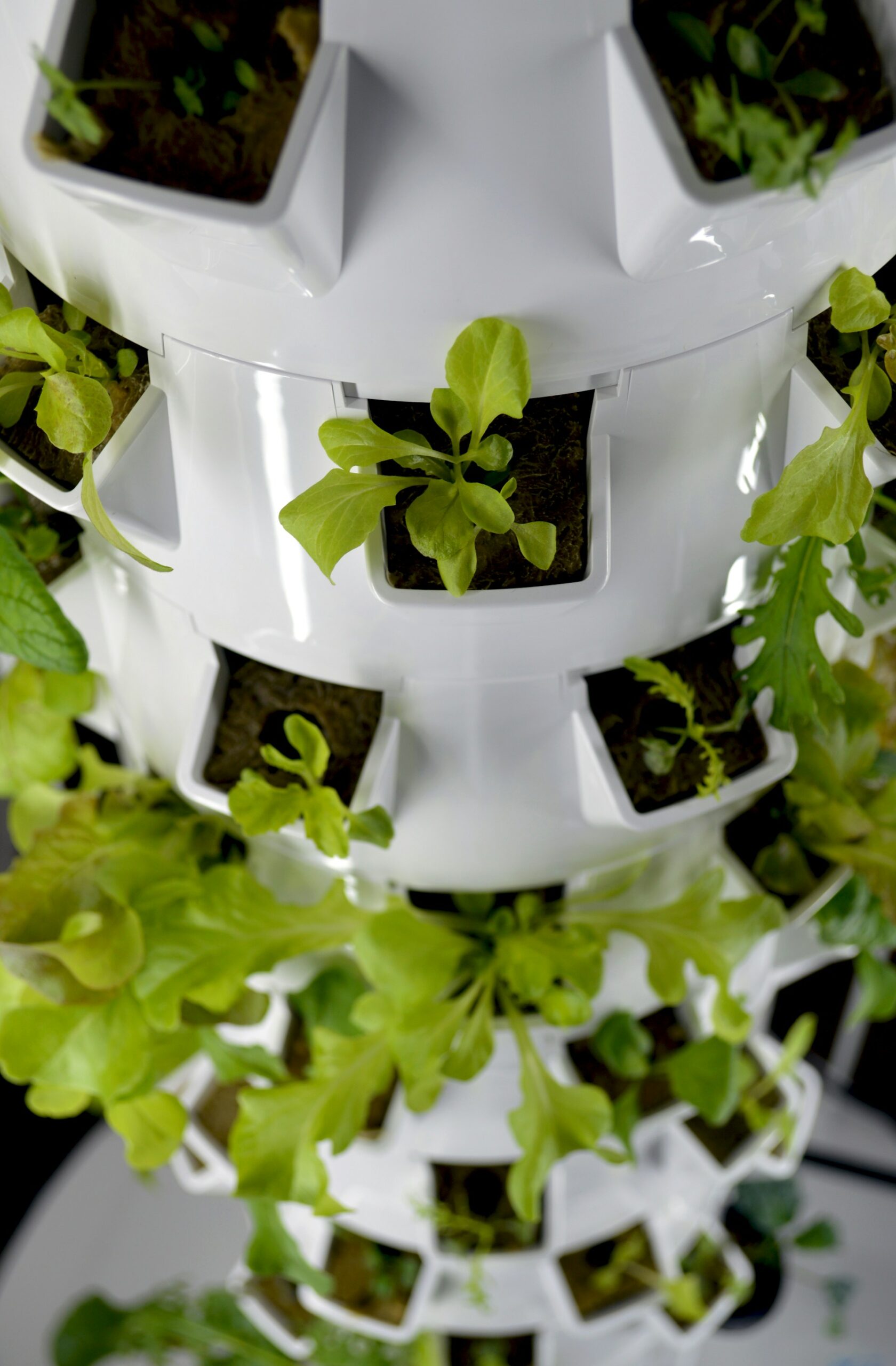
Planning to grow herbs, lettuces, or strawberries in pots on a balcony or patio? Vertical gardening saves space, improves airflow, reduces disease risk, and makes harvesting easier. It’s worth using trellises for climbing plants, like peas or beans, to give them additional support.
Enjoy Fresh, Homegrown Produce All Year
With these tips, you have the knowledge to transform your garden into a source of fresh, homegrown food throughout the seasons. Whether you’re working with a small space or a larger garden, the key is to focus on healthy soil, rotating crops, and extending your growing season. No matter the season, the rewards of fresh produce will make all your gardening efforts worth it – bringing the taste of nature straight to your kitchen year-round.
YOU MIGHT ALSO ENJOY:
What Hobbies Will Always Be Timeless?
How to Throw the Ultimate Garden Wedding
How a Pilgrimage Can be Good for the Soul