

There was a time when the front desk was the heart of a salon. Phones ringing, appointment books open, staff checking schedules, clients asking questions as they walked in. Today, that role hasn’t disappeared – it’s just moved online.
In 2026, your salon booking system does much of the work the front desk used to handle. It answers questions, takes bookings, confirms appointments, collects deposits, sends reminders, and keeps everything running smoothly in the background. When it works well, you barely notice it. When it doesn’t, you feel the strain immediately.
The Front Desk Never Really Closed – It Just Went Digital
Most salons haven’t stopped offering personal service. What’s changed is when and how clients interact with you. People book late at night, early in the morning, or between meetings. They expect instant confirmation and clear information without needing to call or wait for a reply.
A modern booking system now greets clients before anyone in the salon does. It’s the first impression, the point of reassurance, and often the place where expectations are set. That makes it far more than a calendar – it’s the digital front desk.
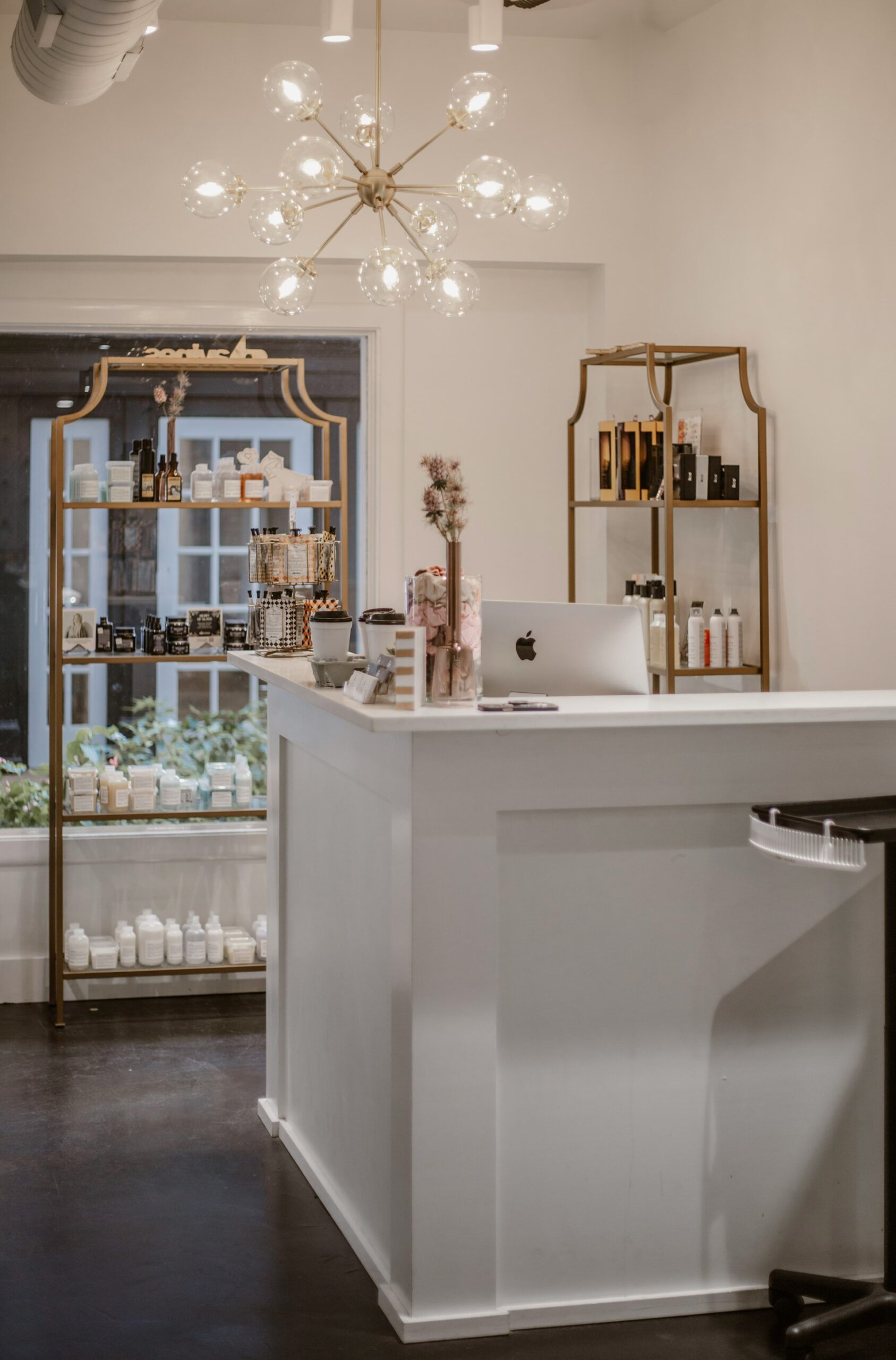
Handling Enquiries Without Interruptions
One of the biggest drains on salon time is interruption. Phone calls during treatments. Messages asking about availability. Clients wanting to know how long a service takes or whether deposits are required.
A good booking system quietly answers most of these questions upfront. Clear service descriptions, accurate availability, and automated confirmations mean fewer interruptions during busy periods. Your staff stay focused on clients in the chair, not the phone ringing in the background.
Over time, that change alone can make the salon feel calmer and more professional.
Booking That Reflects Real Availability
At a traditional front desk, an experienced receptionist understands nuance. They know which appointments can run back-to-back, which need breathing room, and which staff members are best suited to certain services.
Your booking system now needs to replicate that understanding. It should only offer slots that genuinely work, based on service length, staff availability, and how your salon actually operates. When it does, you avoid rushed appointments, awkward gaps, and last-minute reshuffling.
Clients feel the difference too. Booking becomes straightforward, and appointments run closer to time.
Setting Expectations Early
A lot of salon friction comes from mismatched expectations. Clients are turning up late. Confusion around cancellation policies. Uncertainty about pricing or duration.
Your booking system now plays a key role in setting these expectations clearly. Automated confirmations, reminders, and deposit rules help communicate policies without awkward conversations. Clients know where they stand before they arrive, and staff aren’t left enforcing rules on the spot.
This isn’t about being impersonal. It’s about clarity, which is something both clients and staff appreciate.
Reducing No-Shows Without Chasing
No-shows are one of the most frustrating parts of running a salon. They waste time, disrupt schedules, and directly affect income. Traditionally, front desk staff tried to manage this with phone calls and manual reminders.
Today, booking systems handle much of that work automatically. Timed reminders, confirmations, and deposits reduce no-shows significantly, without anyone needing to chase. The system does the reminding, so your team doesn’t have to.
That protection of your diary is one of the most practical ways a booking system replaces front desk work.
Letting Clients Make Changes Themselves
Plans change. Appointments need moving. In the past, every small change meant a phone call or message that someone had to deal with.
Modern booking systems allow clients to reschedule or rebook themselves within the rules you set. That reduces admin, avoids missed messages, and keeps the diary accurate in real time.
For salon owners, it means fewer interruptions. For clients, it means flexibility. For staff, it means less last-minute confusion.
Keeping Client Information In One Place
A good front desk knows regular clients. Their preferences, their history, and any important notes. A booking system now needs to hold that knowledge digitally.
Client profiles, booking history, and consultation details all help create a more personal experience without relying on memory or scattered notes. Digital consultation forms play a big role here, gathering important information before appointments even begin.
This makes visits smoother and helps clients feel recognised, even as your salon grows busier.
Supporting The Team Behind The Scenes
Front desks don’t just manage clients – they support staff too. They help coordinate schedules, manage changes, and keep everyone aligned.
A modern booking system now does much of this work. Clear staff availability, role-based scheduling, and simple time-off management reduce confusion and friction. When staff trust the diary, they work with more confidence.
That organisation shows up in the client experience, even if clients never see the system itself.
Payments That Don’t Slow Things Down
Taking payments used to be a front desk task. Chasing deposits, processing transactions, and balancing the till at the end of the day all took time.
Integrated payments simplify this. Deposits are handled at booking. Payments are tracked automatically. End-of-day admin is quicker and clearer.
When payments are part of the same flow as booking, everything feels more joined up and less stressful.
Selling More Without Feeling Salesy
Front desks often handled retail and gift vouchers as well as bookings. Today, booking systems can support this too. Clients can purchase products, add extras, or buy vouchers as part of the same experience.
This creates opportunities for additional revenue without pressure or awkward sales conversations. It also makes gifting and pre-paying services easier for clients.
Visibility For Owners Without Being On Site
For many owners, the front desk was also where they got a sense of how the day was going. Which appointments were booked, where gaps were appearing, and how busy the team felt.
Booking systems now provide that visibility digitally. At a glance, owners can see how full the diary is, where cancellations are happening, and which services are performing well. That insight helps with planning, even when you’re not physically in the salon.

Software That Feels Like Part Of The Team
The best booking systems don’t feel like software. They feel like quiet support. They handle routine tasks, keep things organised, and step in where a front desk used to.
That’s the approach behind platforms like Book in Beautiful – tools designed around real salon life, not abstract business processes. The focus is on helping salons run smoothly, without adding complexity or getting in the way.
Looking Ahead
By 2026, the front desk isn’t disappearing; it’s evolving. Salon booking systems now greet clients, manage expectations, protect diaries, and support staff every day.
When the system works well, the salon feels calmer, more organised, and more professional. And when that happens, owners get something invaluable back: time, headspace, and the ability to focus on the parts of salon life that really matter.
That’s why the booking system has quietly become the new front desk – and why choosing the right one makes such a difference.
YOU MIGHT ALSO ENJOY:
What Hobbies Will Always Be Timeless?
How to Stay Entertained While Travelling
Turning Your Writing Skills Into a Force for Advocacy and Awareness