
Few people would have called a shampoo aisle a wellness destination a decade ago. Today, hair is treated like skin or fitness: something worth looking after steadily, not just styling on the way out the door.
1. Hair Care Is Becoming an Important Part of Modern Wellness Routines
Self-care once meant face masks and gym memberships, but it now stretches to the top of the head. Part of the reason is stress. In the American Psychological Association’s Stress in America survey, published in November 2025, 75% of the 3,199 US adults polled said they were more stressed about the country’s future than they used to be. Doctors recognize that significant stress can contribute to temporary shedding, so it is unsurprising that people link how they feel with how their hair looks. Sleep, relaxation, and regular routines now sit alongside the products on the bathroom shelf.

2. Why Scalp Health Is Receiving More Attention
The scalp is skin, and shoppers are beginning to treat it that way. A survey of 3,460 US female and 239 male beauty buyers by The Benchmarking Company, reported by MedEsthetics in October 2025, found that 66% of women would be very likely to try a product claiming to improve scalp health in a new way. Scalp tonics and exfoliating treatments drew interest from roughly three-quarters of respondents. Only 35% of women were somewhat satisfied with their current scalp products, hinting at room for better options.
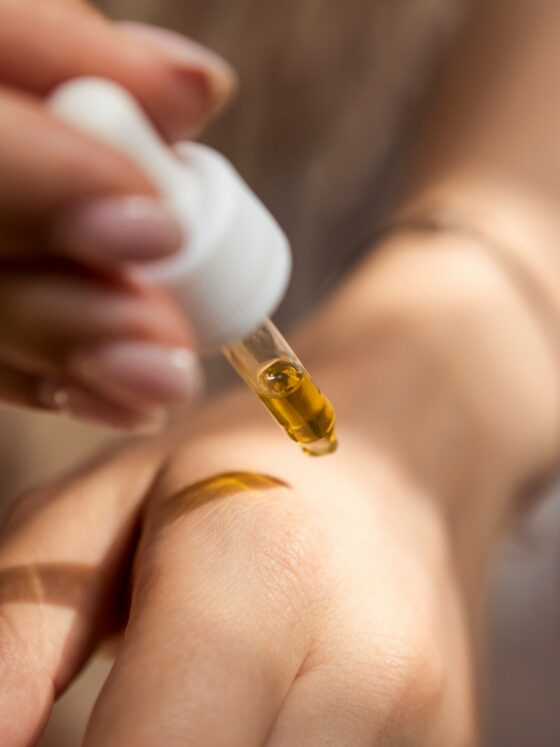
Alongside salon consultations and wellness-inspired routines, many people are also exploring natural hair growth products as part of a broader approach to supporting healthy-looking hair. As with any skincare, it helps to read ingredient lists, patch-test where advised, and see a dermatologist about persistent thinning or irritation.
3. The Rise of Long-Term Beauty Thinking
The quick fix has lost some of its shine. Self-care culture rewards consistency, and that mindset has reached hair care. Instead of chasing a dramatic overnight change, more people are building habits they can keep up: gentle washing, regular trims, protection from heat, and a steady scalp routine. Hair changes slowly, so patience is part of the process. Small, repeatable actions tend to beat ambitious regimens that fall apart by the second week.
4. How Personalized Beauty Routines Are Shaping the Future of Hair Care
No two heads of hair, or lifestyles, are the exact same. Fine, curly, color-treated, and thinning hair all have different needs, and so do people with busy schedules or sensitive scalps. That is driving demand for tailored advice, from consultations with trichologists and stylists to routines built around individual goals. A personalized approach also helps people avoid products that do not suit them, saving money and frustration.
Hair care is changing from a chore to a considered habit. Whatever your routine looks like, treating your scalp with the same patience as the rest of your body is a sensible place to start.
YOU MIGHT ALSO ENJOY:
Tried And Tested Tips To Transform Frizzy Hair Into Fabulous Tresses
From Frizzy to Fabulous: Taming Unruly Hair
How You Can Have Hair That Is Always Picture-Ready