
You can have the perfect dress, the sharpest blazer, and killer shoes, but if the foundation underneath isn’t right, something always looks slightly off. A bunched-up seam here, a visible line there, or a top that just won’t sit flat under your favourite jacket. The truth is, polished outfits almost always start with what’s closest to your skin. And the good news? Getting your base layer right doesn’t mean squeezing into something uncomfortable. It’s about picking pieces that are smooth, support, and actually feel good to wear all day. Here’s how to make it work.
Start With the Foundation: What a ‘Base Layer’ Actually Does
Think of a base layer as the invisible architecture of your outfit. It’s whatever you wear directly against your body underneath the clothes that people actually see. That might be a bodysuit, a smoothing slip, a tank with built-in support, or a pair of high-waisted shorts designed to sit flat under a dress.
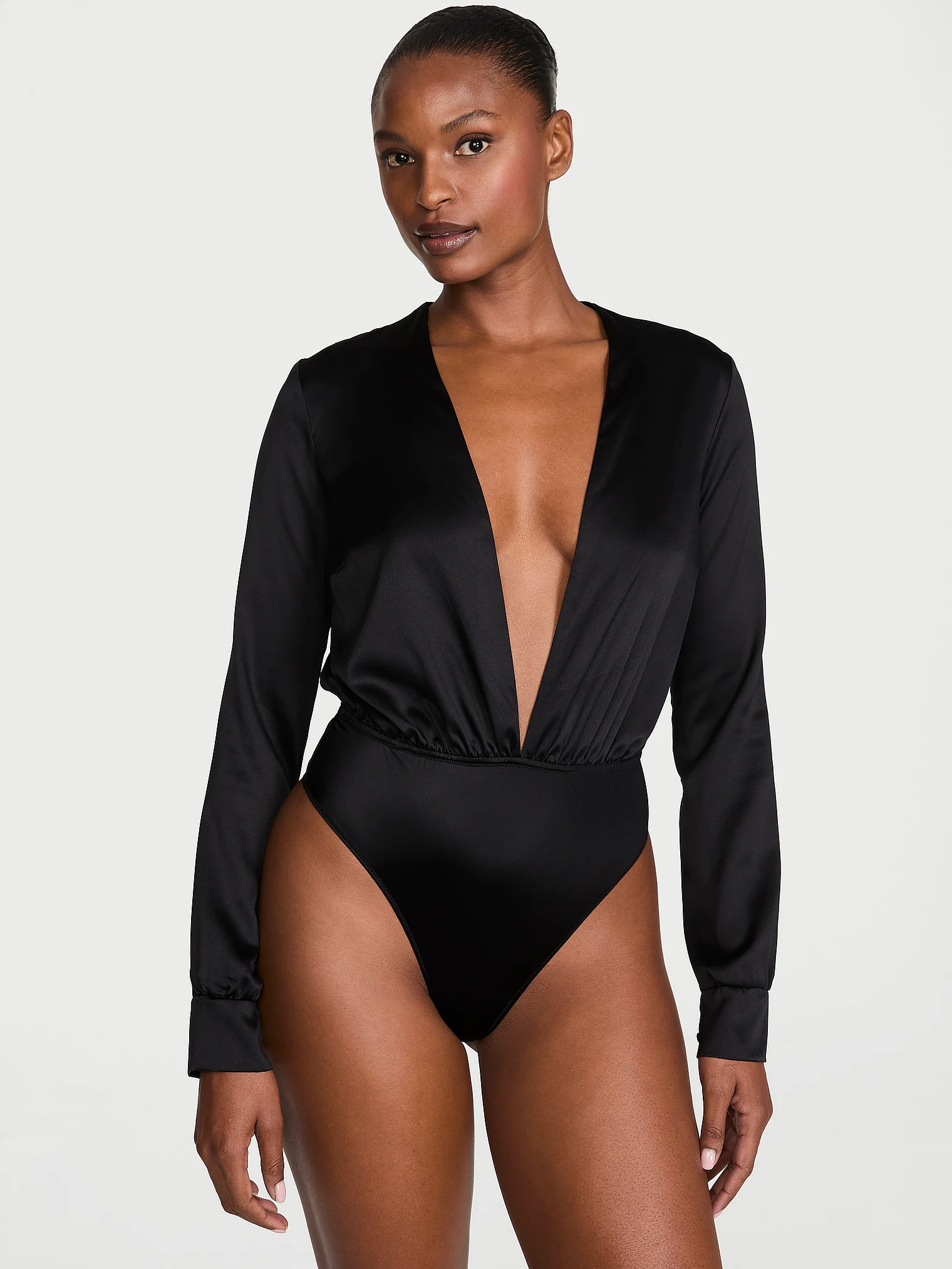
A well-chosen base layer does a few things at once. It creates a smoother surface for outer fabrics to drape over, which is why a satin skirt or a knit dress can suddenly look ten times more polished when there’s a seamless layer underneath. It reduces friction between layers, so no more tugging your shirt out of your waistband every twenty minutes. And it gives you a bit of gentle structure in the places you want it, without making you feel like you’re wearing armour. This isn’t about changing your shape. It’s about letting your clothes do what they were designed to do.
Choosing a Base Layer Without Regret (Your Fit Checklist)
Not all base layers are created equal, and the wrong one can create more problems than it solves. Before you commit, run through these quick checks.
Breathability matters more than you think. If the fabric doesn’t let air through, you’ll overheat by noon. Look for moisture-wicking blends or mesh panels, especially if you run warm.
Check the stretch and recovery. A good base layer should move with you and snap back into place. If it bags out after an hour of sitting at your desk, it’s not the right one.
Seam placement is everything. Flat-lock or bonded seams sit flush against the skin. Raised seams will telegraph through thinner fabrics, which is exactly what you’re trying to avoid.
Match the neckline and straps to your outfit. A racerback base layer under a boat-neck top is going to peek out. Think about strap width, neckline depth, and back coverage before you buy.
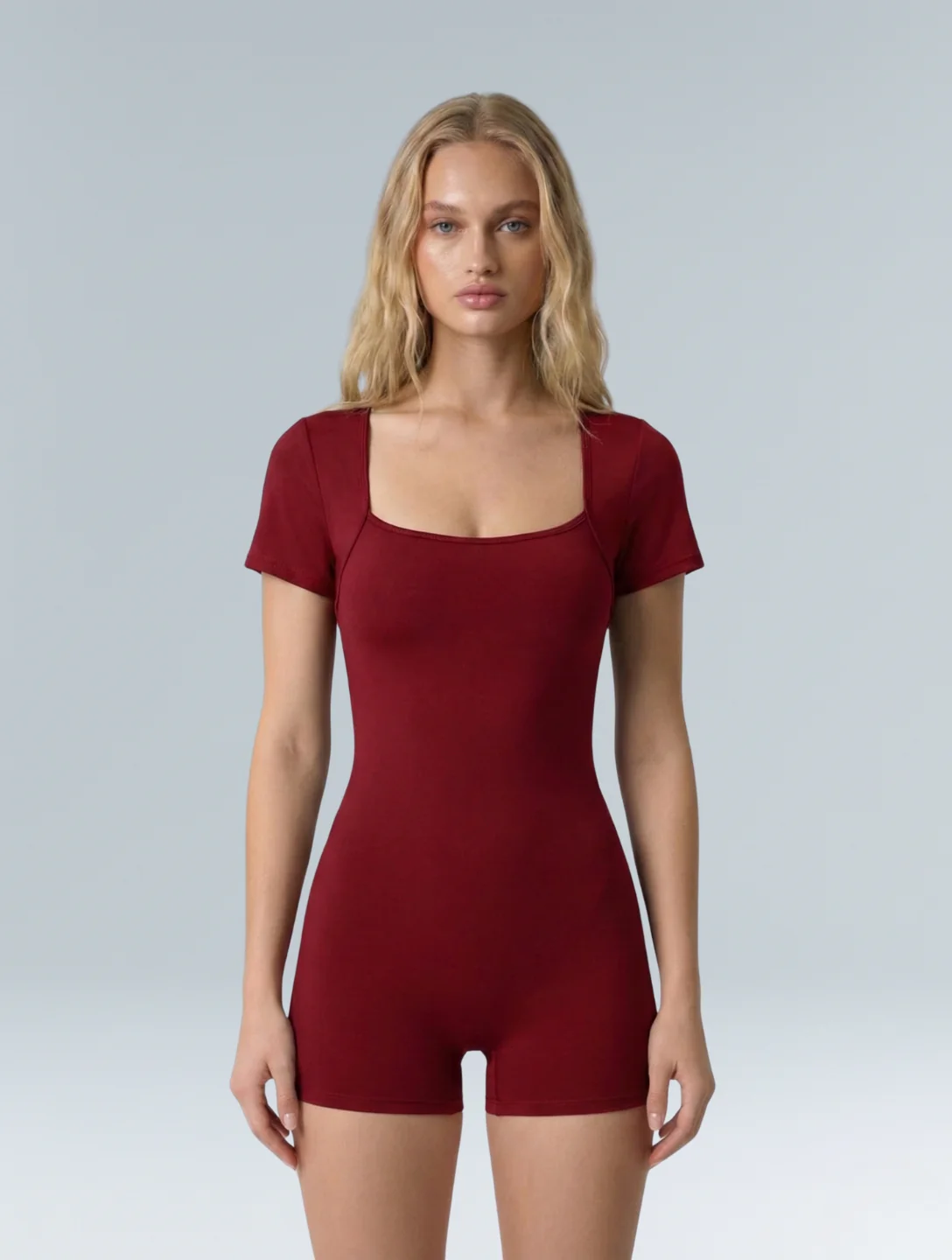
Size for comfort, not compression. Sizing down might seem like it’ll give you “more smoothing,” but it usually just creates bulges at the edges. Your true size will smooth better and feel better. If you’re exploring comfortable shapewear options from brands that specialise in smoothing base layers, start with their size guide rather than guessing. It makes all the difference.
The ‘No Visible Lines’ Playbook
Visible panty lines and seam ridges are the most common outfit saboteurs, but they’re easy to solve once you know what to look for. Thicker, structured fabrics like denim or wool blends are fairly forgiving. You can wear almost anything underneath without lines showing. Thinner, clingy fabrics like jersey, satin, and lightweight knits are where you need to be more strategic.
For seamless coverage, look for laser-cut edges rather than traditional sewn hems. When it comes to colour, the old rule still holds: match your base layer to your skin tone, not to your outfit. A “nude” shade (one that’s close to your particular complexion) virtually disappears under most fabrics, including white. Black under black works too, but avoid it under anything lighter unless you want that layer to show.
Outfit Formulas That Always Look More Put-Together
Here’s where theory meets your actual wardrobe. These are five outfit scenarios where the right base layer takes things from “fine” to “finished.”
Blazer + Jeans. A structured blazer looks sharpest when there’s a smooth, slim layer underneath rather than a bulky top competing for space. Try a fitted bodysuit or a seamless camisole tucked in. Keep the neckline simple, like a scoop or V-neck that sits below the blazer’s lapels. The result is a clean torso line that makes the whole outfit look intentional.
Slip Dress or Satin Dress. Satin is beautiful but unforgiving, and every bump and line shows. A lightweight smoothing slip or a bodysuit with adjustable, thin straps gives you a flat canvas. Make sure the base layer’s straps are narrower than the dress straps, or go strapless if the dress allows it. Avoid anything with a thick waistband that could create a ridge under the satin.
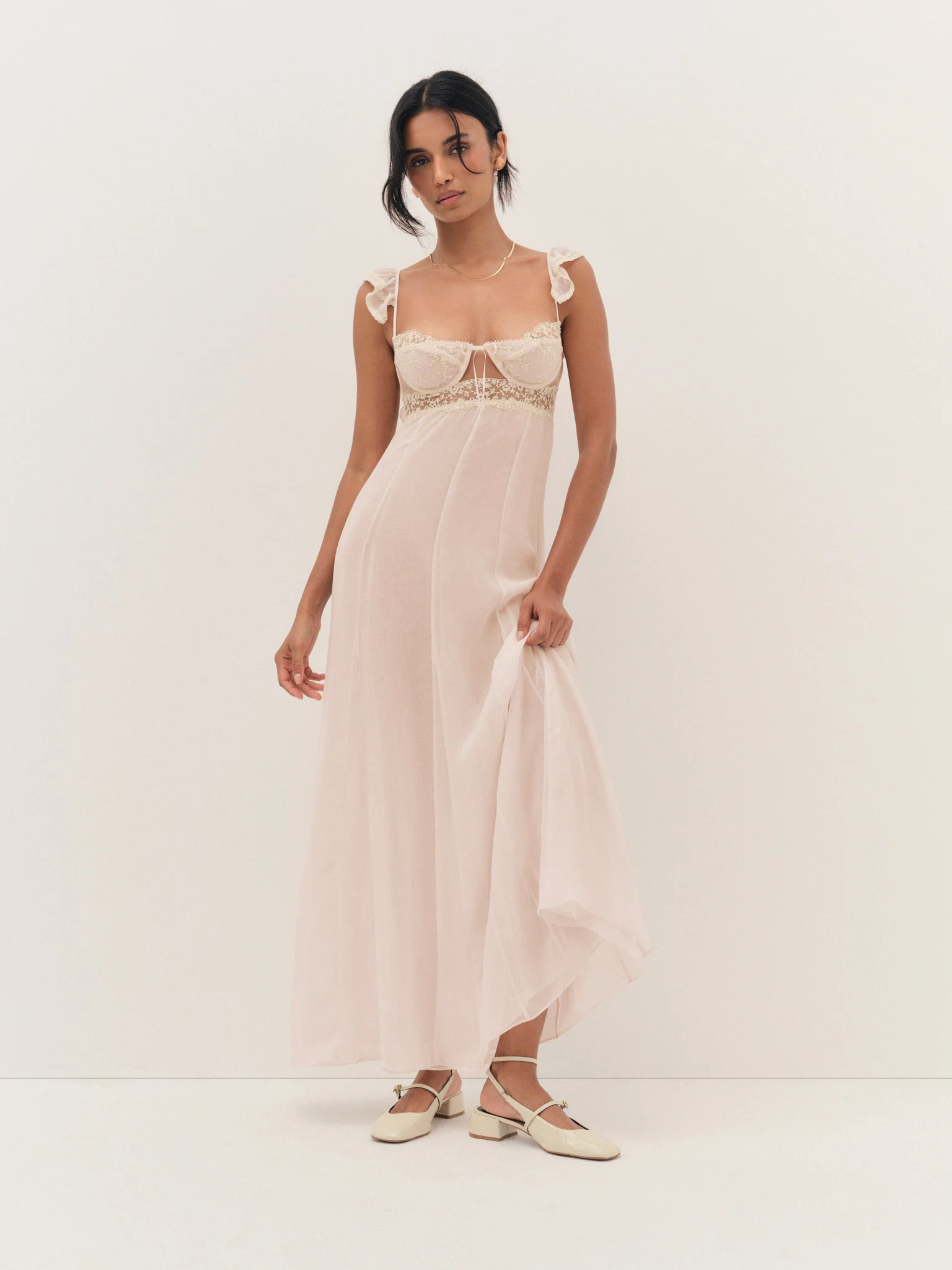
Bodycon or Knit Dress. This is the outfit that benefits most from a seamless, mid-thigh base layer. Knit and bodycon fabrics cling to everything, so you want the smoothest possible surface underneath. A high-waisted smoothing short paired with a supportive bralette or built-in top creates one continuous line from chest to thigh. The dress glides over it instead of grabbing.
Wide-Leg Trousers + Tucked Top. Wide-leg trousers look best with a completely flat waistline, which is tough to achieve when a bulky top is bunching under the waistband. A slim bodysuit that snaps at the gusset stays perfectly tucked without riding up. Choose one with a bit of tummy smoothing for an extra-clean line at the front. This trick alone can make a simple trouser-and-blouse combo look tailored.
Event Dressing (Weddings, Dinners, Nights Out). When the outfit is a showstopper, like a fitted cocktail dress, a backless gown, or a sequined number, the base layer needs to be invisible. Look for low-back options, convertible straps, or adhesive alternatives for backless designs. For fitted event dresses, a full-body smoothing suit that runs from bust to mid-thigh gives you total coverage without any visible transitions.
Comfort-First Styling Tips (So It Doesn’t Feel Like “Shapewear”)
The word “shapewear” still makes some people flinch, and honestly, the reputation is partly deserved. Older designs could feel restrictive and hot. But the category has changed a lot, and the key is knowing how to pick the right level of support for the situation.
For everyday wear, like running errands, working from a café, or meeting friends for lunch, go for light smoothing with minimal compression. You should barely notice you’re wearing it. Save firmer support for structured outfits or events where you want everything locked in place for several hours. If you’re new to base-layer dressing, start with short wears. Put it on for a couple of hours, move around, sit down, and see how it feels. Most modern smoothing pieces don’t need a “break-in” period, but your body does need a moment to get used to the feeling of gentle compression if it’s your first time.
Heat is the other big concern. In warmer months or for all-day events, prioritise fabrics with cooling technology or open-weave panels. If you’re layering a base piece under a lined dress in summer, make sure at least one of those layers breathes well, or you’ll be uncomfortable before the appetisers arrive.
Quick Care Tips (Make It Last)
Good base layers aren’t always cheap, so treat them well. Hand-wash or use a mesh laundry bag on a delicate cycle. The elastic fibres in smoothing fabrics break down fast in a regular wash. Skip the dryer entirely; hang to dry or lay flat. Heat is the number one killer of stretch and recovery in compression fabrics.
If you’re wearing base layers regularly, invest in at least three so you can rotate. Wearing the same one several days in a row (even washed in between) wears out the fibres faster than giving each piece a full rest between wears. Store them folded, not balled up, and keep them away from anything with hooks or rough closures that could snag the fabric.
The Bottom Line
Building a polished look doesn’t start with the outfit everyone sees. It starts with the layer nobody does. When your base is smooth, comfortable, and chosen with your actual wardrobe in mind, everything on top just works better. Fewer adjustments throughout the day, fewer “why does this look weird?” moments in the mirror, and a lot more confidence walking out the door. Start with one good base piece, try it under a few different outfits, and see the difference for yourself.
YOU MIGHT ALSO ENJOY:
How to Look Confident and Cool this Summer
How to Style Your Favourite Pieces for Every Season
Shapewear Bodysuit Color Guide: Avoid Visible Lines & Find Your Perfect Match